
You have been successfully logged out.
YESCARTA® efficacy outcomes in the ZUMA-7 study
More than double the number of patients treated with YESCARTA® (n=180) remained event-free at 4 years vs those treated with salvage CIT +/- HDT-ASCT (n=179) with a 58% reduction in risk of EFS events (HR, 0.42; 95% CI, 0.33–0.55)*1
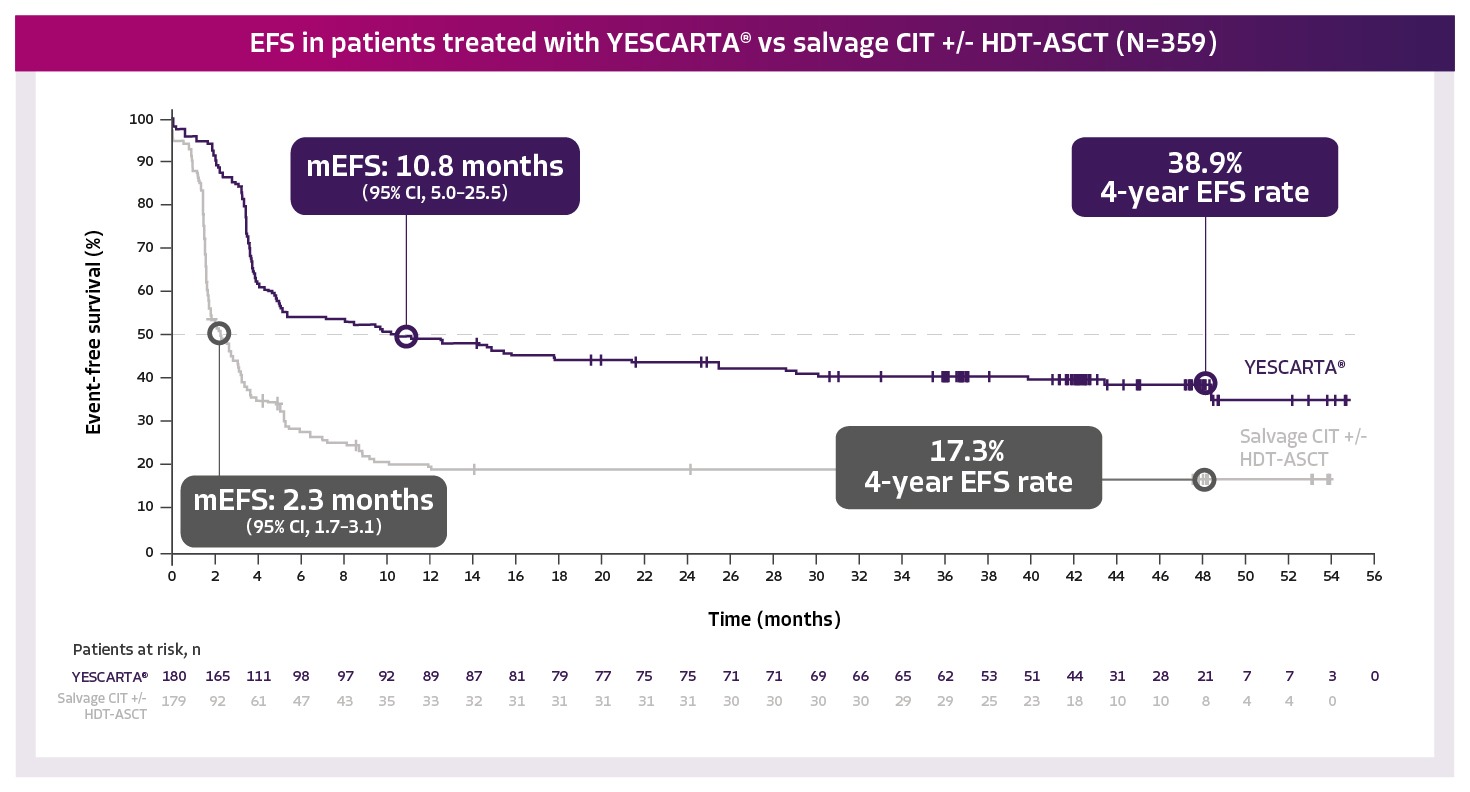
Median follow-up: 47.2 months
Tick marks represent censored patients. Patients who did not meet the event criteria had their data censored.
Figure adapted from Westin JR, et al. 20231
* EFS was defined as time from randomisation to the earliest date of disease progression per Lugano classification, the commencement of new
therapy for lymphoma, death from any cause or a best response of stable disease up to and including the response on the Day 150 assessment after randomisation according to blinded central review.1
A separate ZUMA-7 analysis of patients aged ≥65 years also demonstrated that YESCARTA® is an effective 2L therapy for elderly patients, with significantly longer median event-free survival with YESCARTA® (21.5 months) vs salvage CIT +/- HDT-ASCT (2.5 months) [p<0.0001; HR, 0.276]2
55% of patients treated with YESCARTA® were alive at 4 years vs 46% of those treated with salvage CIT +/- HDT-ASCT, despite 57% of control patients receiving subsequent cellular immunotherapy*1,3
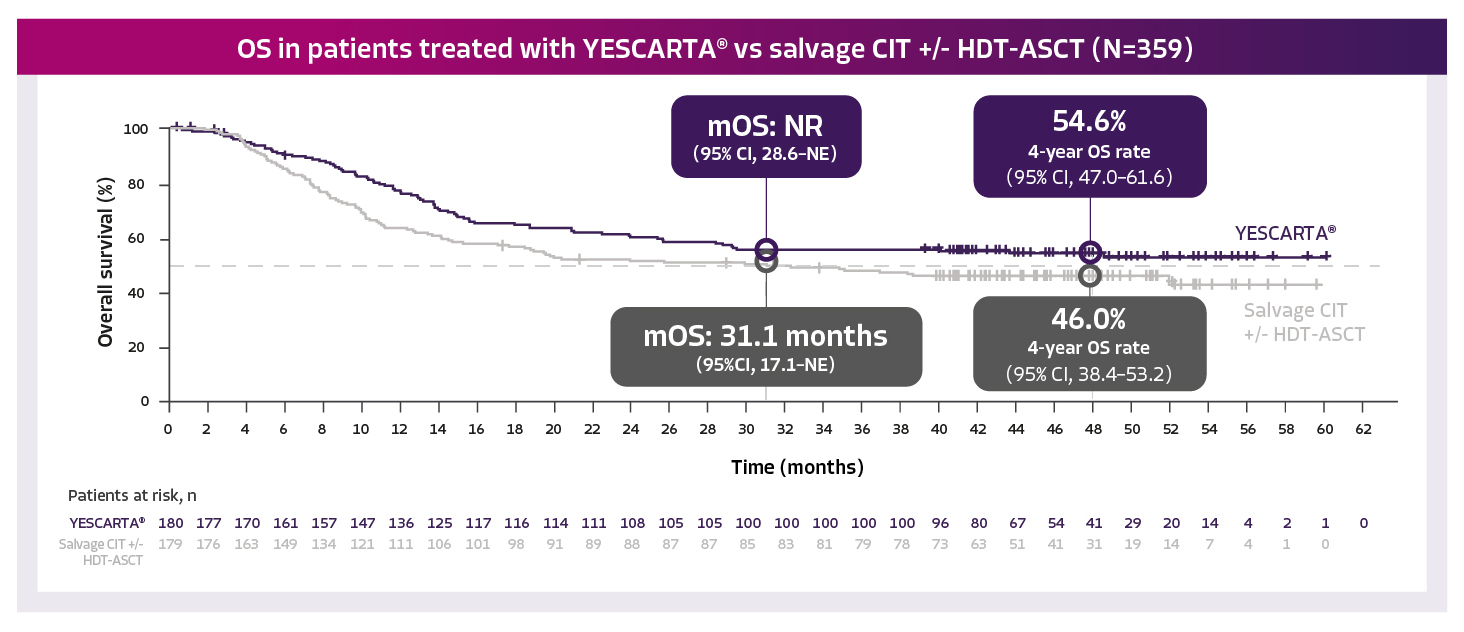
Median follow up: 47.2 months
Tick marks represent censored patients. Patients who did not meet the event criteria had their data censored.
Adapted from Westin JR, et al. 2023.1
* Due to disease progression or lack of response.1
Significantly higher response rates with YESCARTA® than with salvage CIT +/- HDT-ASCT (83% vs 50%; difference, 33% points; p<0.001)3,4
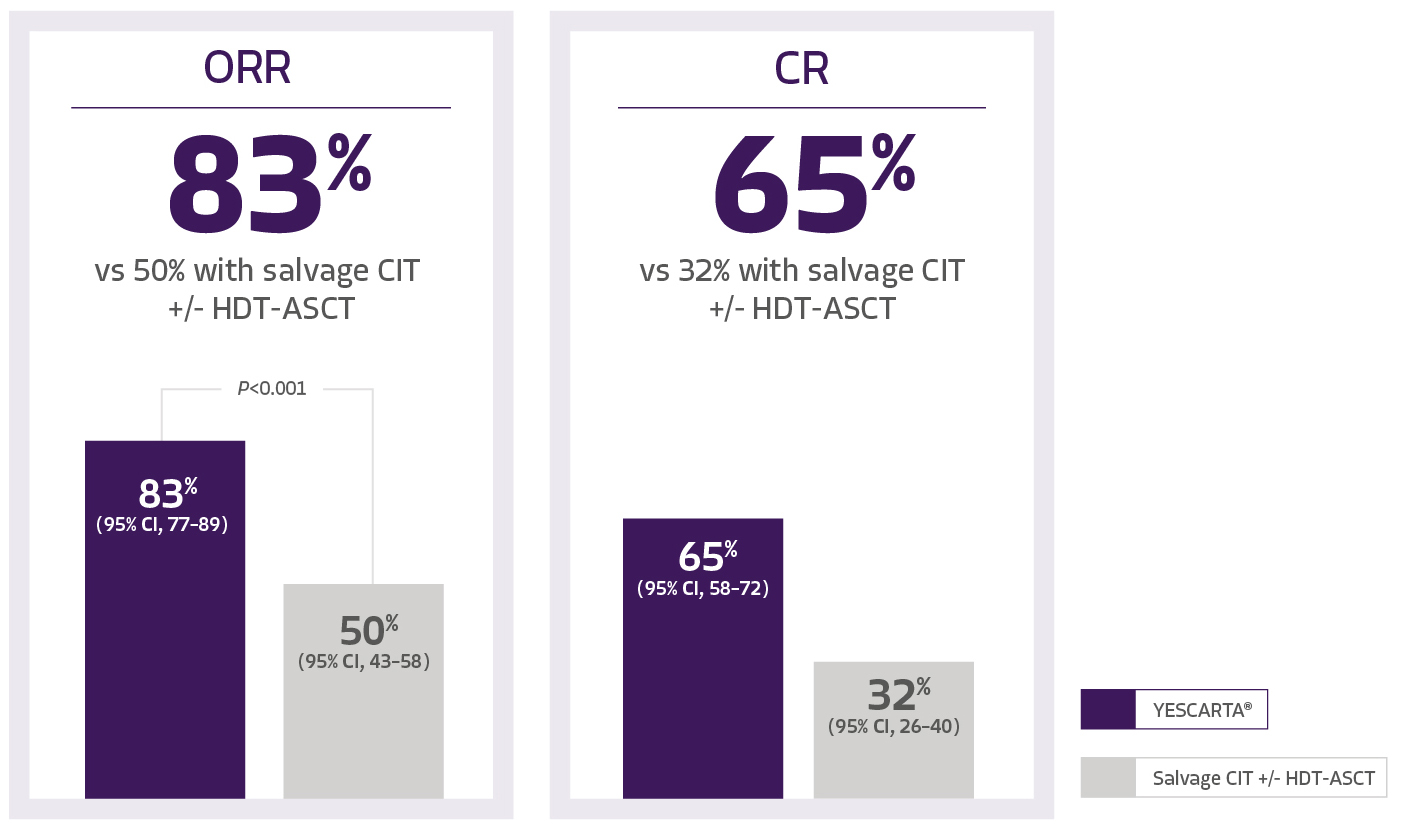
Median follow-up: 24.9 months
Adapted from Locke FL, et al. 2022.4
Click on the real-world evidence tab above to see how clinical study outcomes compare to the real world
Health-related quality of life
Treatment with YESCARTA® resulted in clinically meaningful improvements in HRQoL vs salvage CIT +/- HDT-ASCT at days 100 and 150 with a trend toward faster recovery to baseline QoL5
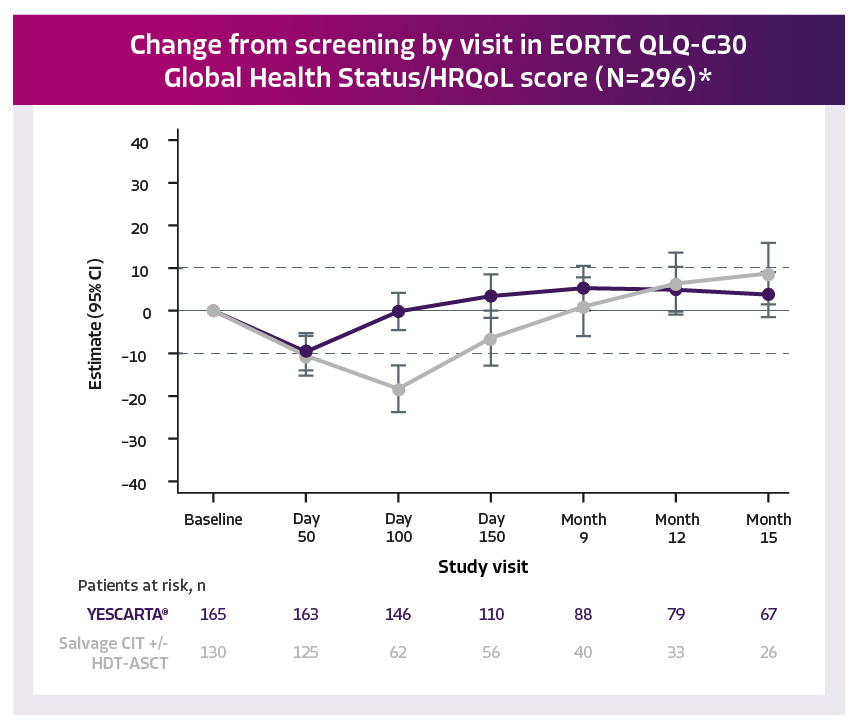
Adapted from Elsawy M, et al. 2022.5
* Model included variables for treatment, time, and treatment by time interaction (primary analysis) and controlled for response to 1L therapy
(primary refractory, relapse <6 months of lL therapy vs relapse >6 and <12 months of 1L therapy) and age-adjusted IPI (0-1 vs 2-3) at time of
screening. Score comparisons at later time points warrant cautious interpretation because of attrition due to disease progress or new lymphoma
therapy. Death was disproportionately higher in the salvage CIT+/- HDT-ASCT arm, and may select for patients with the best outcomes.5
Study overview and baseline characteristics
ZUMA-7 was a phase 3, randomised, open-label, multicentre, pivotal study in 359 adult patients with 2L R/R DLBCL. Patients were randomised 1:1 to YESCARTA® (n=180) or salvage CIT +/- HDT-ASCT (n=179)1–4
Study design and baseline characteristics
YESCARTA® efficacy outcomes in the ZUMA-1 study
After more than 5 years of follow-up, 43% of patients with 3L+ DLBCL treated with YESCARTA® remained alive, with a median OS of 25.8 months6
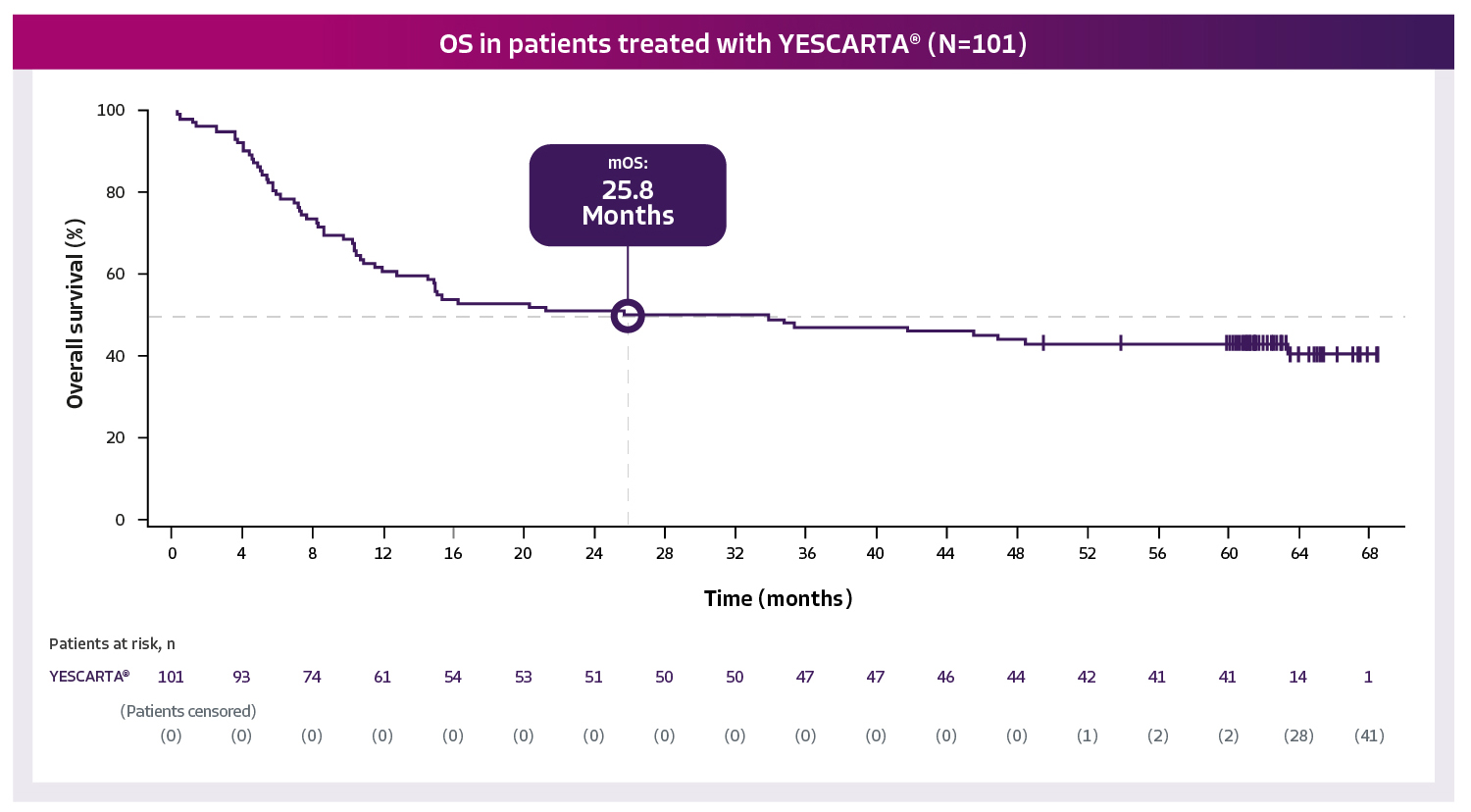
Median follow-up: 63.1 months
Tick marks represent censored patients. Patients who died by the data cutoff date were censored at the last date known to be alive.
OS was a secondary endpoint; OS data are descriptive and should be carefully interpreted in light of the single-arm design of ZUMA-1.6
Adapted from Neelapu SS, et al. 2023.6
The 5-year disease-specific survival rate in ZUMA-1 was 51%, supporting the curative potential of YESCARTA® in a substantial proportion of patients with 3L+ R/R DLBCL6
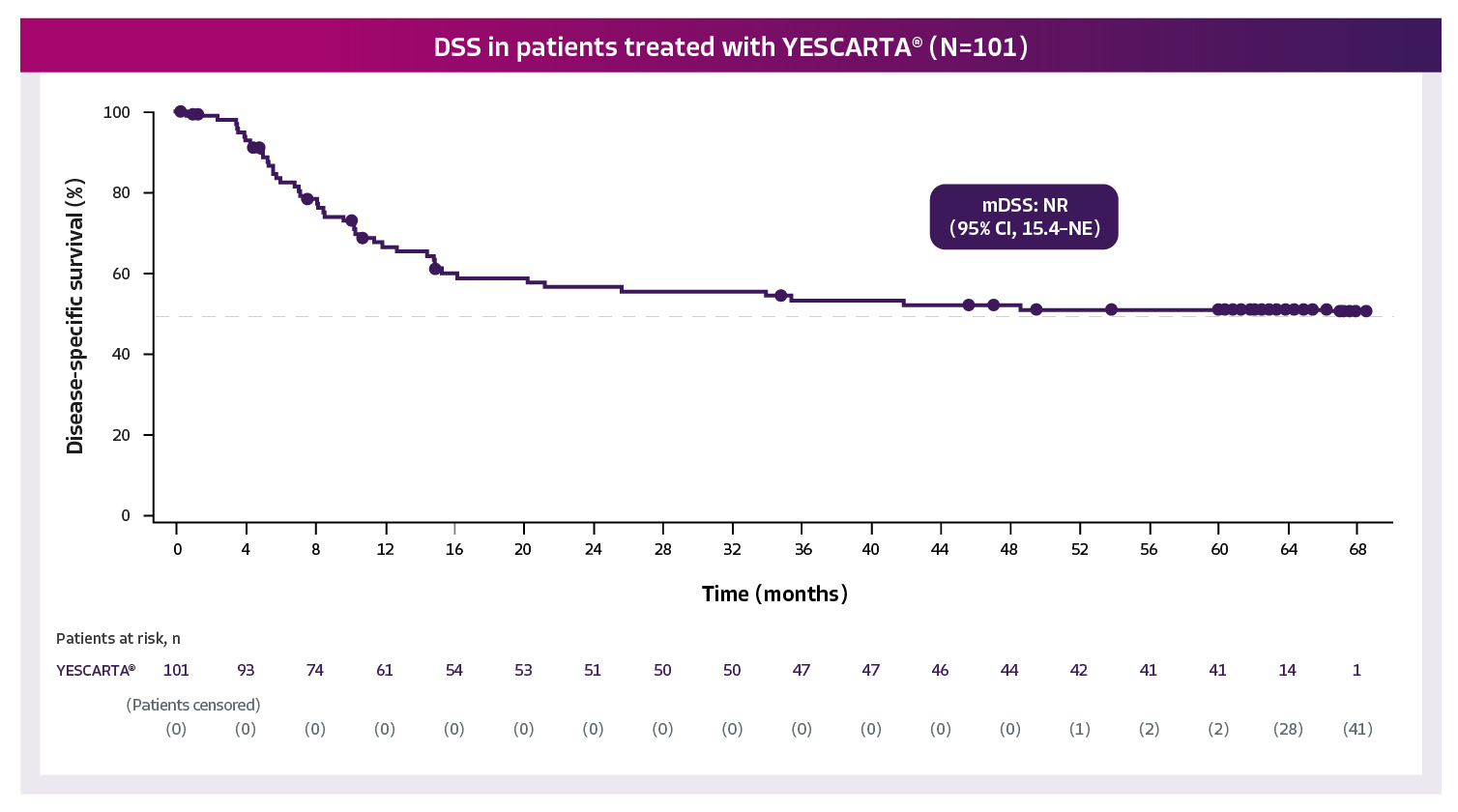
Median follow-up: 63.1 months
Adapted from Neelapu SS, et al. 2023.6
YESCARTA® demonstrated high response rates in ZUMA-1, with responses ongoing in 31% of patients at data cutoff and a median DOR of 11.1 months6
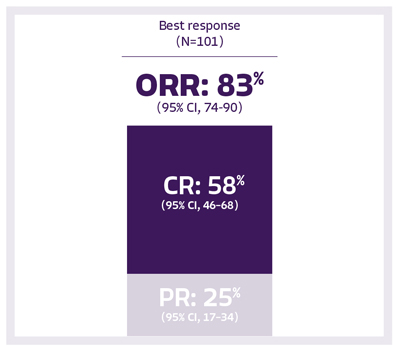
Median follow-up: 63.1 months
Adapted from Neelapu SS, et al. 2023.6
Study overview and baseline characteristics
ZUMA-1 is a phase 1/2, single-arm, multicentre study in 101 adult patients with 3L+ R/R DLBCL assessing the safety and efficacy of YESCARTA®6,7
Study design and baseline characteristics
YESCARTA® efficacy outcomes in the real world
Real-world analyses with YESCARTA® have demonstrated encouraging long-term survival outcomes in both the 2L and 3L+ setting, in a broader patient population than seen in key clinical studies1,4,8,9
A real-world analysis across 15 UK CAR T-cell therapy centres demonstrated that YESCARTA® had a promising efficacy profile in patients with R/R DLBCL who were recruited by the UK National CAR T Clinical Panel between May 2023 and November 2024 (median age: 62 years; range, 22–77)8
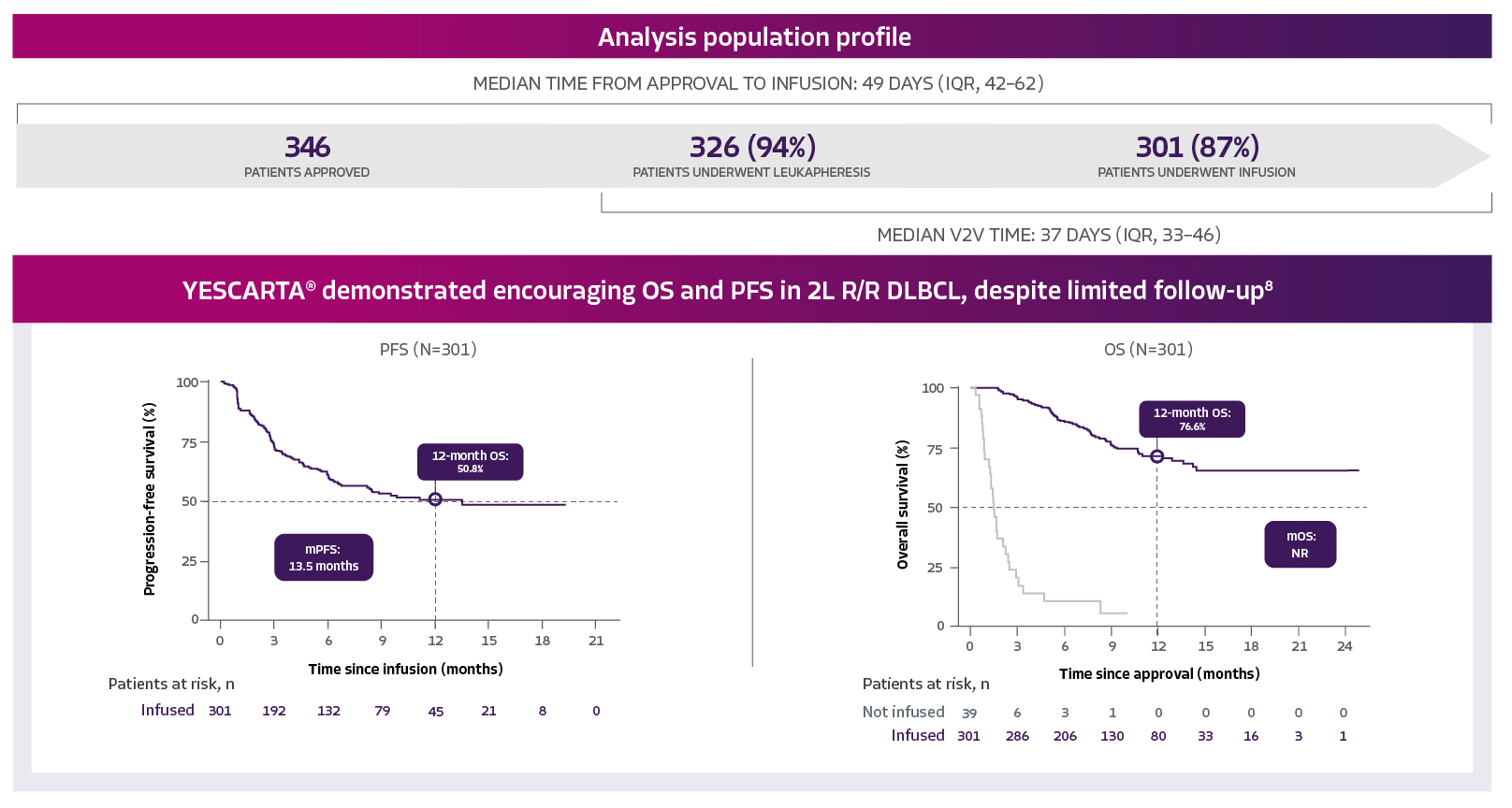
Median follow-up: 8.1 months
Adapted from Kuhnl A, et al. 2025.8
Survival outcomes with YESCARTA® were encouraging despite 40% of patients requiring urgent pre-apheresis holding therapy and 98% receiving post-apheresis bridging therapy, neither of which were permitted in ZUMA-71,4,8
Real-world response rates aligned with ZUMA-7 study regardless of differences in the study populations and design1,4,8
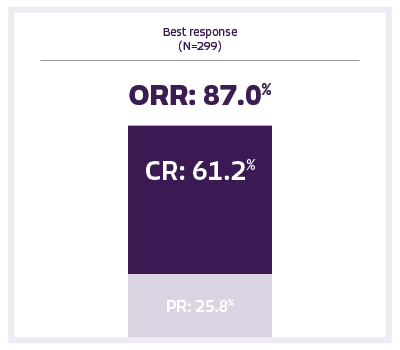
Median follow-up: 8.1 months
Adapted from Kuhnl A, et al. 2025.8
Real-world survival outcomes with YESCARTA® are similar to those in ZUMA-7 even though a broader patient population were treated. In the real-world setting, patients had:1,4,8,9
In a large UK CAR T-cell real-world data set across 12 treatment centres, improved outcomes with YESCARTA® in patients with 3L+ R/R DLBCL were observed over time (median age: 61 years; range, 18–81)9
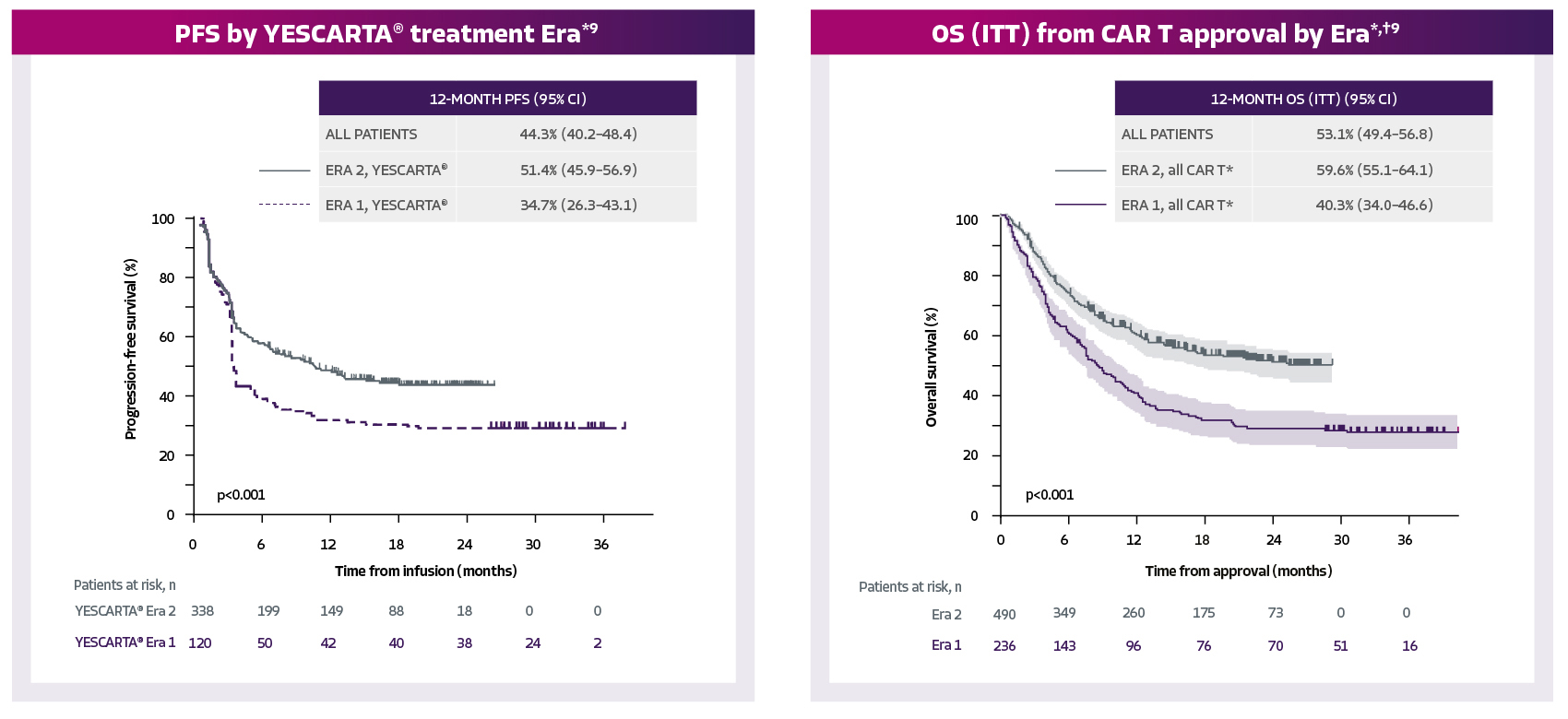
Median follow-up: 22.3 months
Adapted from Boyle, et al. 2023.9
* Era 1 (the first year of lymphoma CAR T-cell therapy use in the UK) was December 2018-2019, Era 2 was January 2020-June 2022; † Includes
patients treated with both YESCARTA® and tisagenlecleucel.9
Best ORR and CR rates were 80% and 63% vs 67% and 42% for Era 2 vs 1 for patients infused, with an ongoing CR rate at 6 months of 54% vs 33%, respectively9
Study overview and baseline characteristics
UK 2024 real-world evidence: a multicentre, real-world study of 2L YESCARTA® treatment in 195 patients with R/R LBCL8
UK 2023 real-world evidence: a multicentre, real-world study of 3L+ YESCARTA® treatment or tisagenlecleucel in 726 patients with R/R LBCL across 12 UK CAR T centres9
Baseline characteristics
Visit our resources page to download your free brochure to get a comprehensive overview of the treatment – including key efficacy and safety data from both clinical trials and real-world studies, so you can make an informed decision with confidence.
2L, second-line; 3L+, third-line plus; Auto-SCT, autologous stem cell transplant; BOR, best overall response; CAR T, chimeric antigen receptor T-cell; CI, confidence interval; CIT, chemoimmunotherapy; CR, complete response; CRS, cytokine release syndrome; DLBCL, diffuse large B-cell lymphoma; DOR, duration of response; DSS, disease-specific survival; EORTC QLQ-C30, European Organisation for Research and Treatment of Cancer Quality of Life Questionnaire Core 30; HDT-ASCT, high-dose therapy and autologous stem cell transplantation; HGBCL, high-grade B-cell lymphoma; HR, hazard ratio; HRQoL, health-related quality of life; HSCT, hematopoietic stem cell transplantation; ICANS, immune effector cell-associated neurotoxicity syndrome; IPI, International Prognostic Index; IQR, interquartile range; ITT, intent-to-treat; KM, Kaplan-Meier; L, line; LBCL, large B-cell lymphoma; LDH, lactate dehydrogenase; (m)EFS, (median) event-free survival; m(OS), median overall survival; MID, minimally important difference; NE, not estimable; NR, not reached; ORR, overall response rate; PR, partial response; PRO, patient-reported outcome; R/R, relapsed or refractory; UK, United Kingdom.
February 2026 UKI-YES-0314